Erasmus and the Adagia
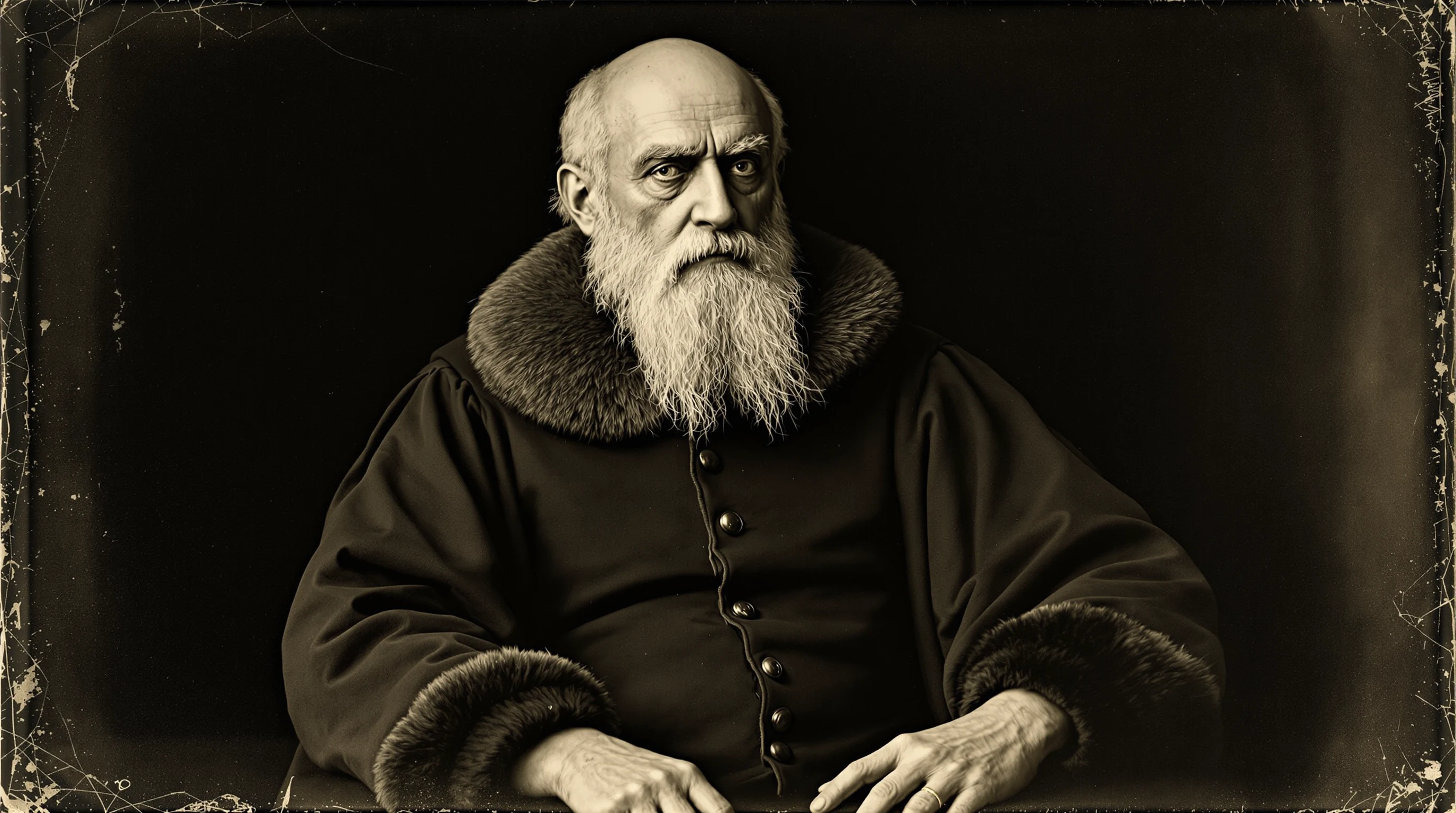
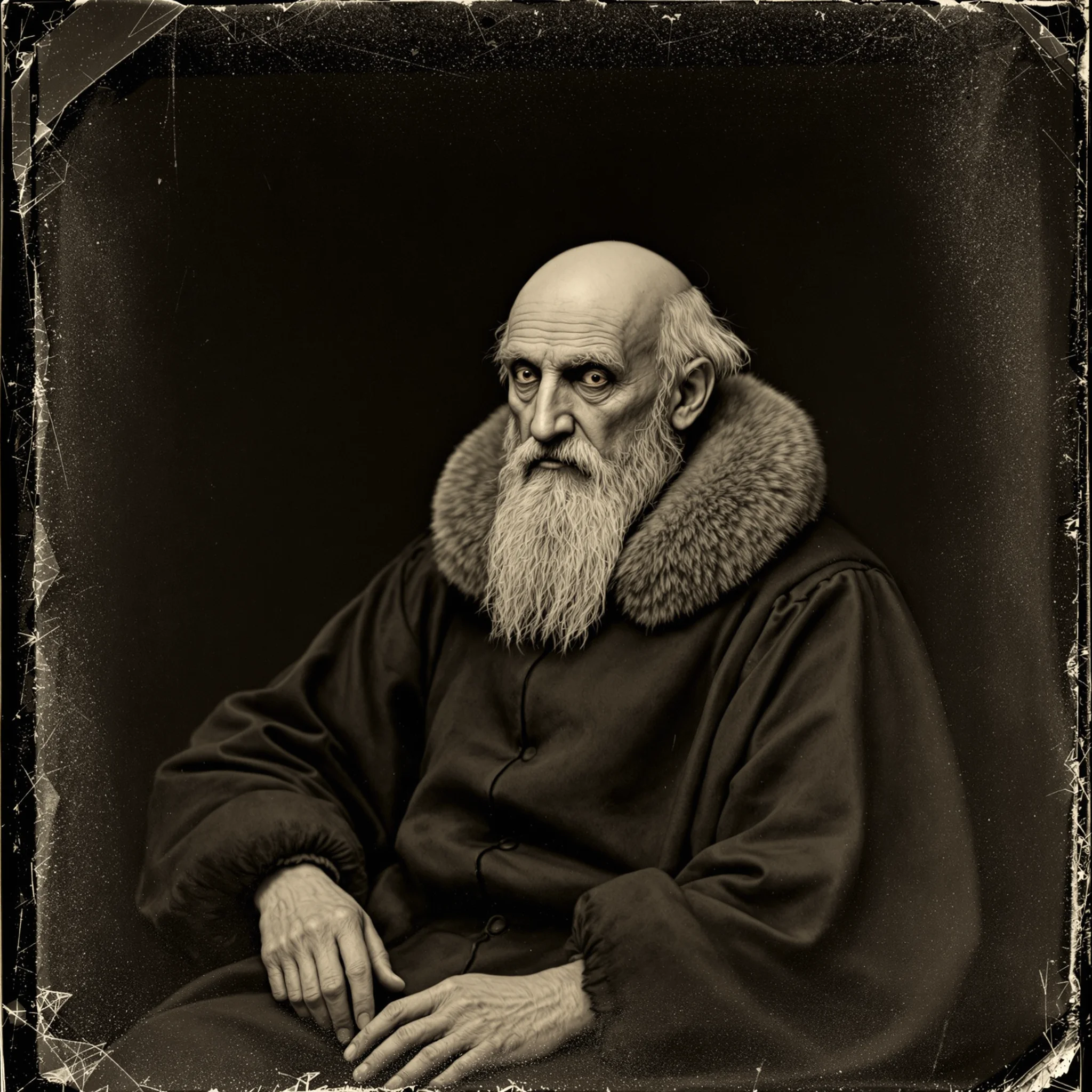
Three heads from Taverner's Adagia: Troyans wise too late, slow haste, and the double gift.
Erasmus spent decades collecting proverbs into the Adagia, thousands of short sayings drawn from Greek and Latin authors, each with a brief gloss. Richard Taverner's 1539 English cut of them, Prouerbes or adagies, gathers a selection from those Chiliades for readers who wanted the heads in the vernacular. The Bodleian OTA and EEBO-TCP keep the text open under CC0.
What he collected is already shaped like a commonplace book: a Latin head, an English item, and a short annotation that tells you when to use it. The keeper's work is to take one head at a time and leave a way back.
Under Sero sapiunt phryges Taverner sets: "The Troyans are wyse to late." After ten years of siege they debate sending Helen home. By then the country is wasted. "Euen so it is of many at thys daye. They be wyse, but to late."
Under Festina lente he sets: "Make slowe hast, or hast the slowely." Temper haste with slowness. For more, he points the reader to Erasmus's Chiliades, where the same head is handled at large.
Under Bis dat, qui cito dat he sets: "He gyueth twyse, that gyueth quickly." A good turn done without delay is a double benefit. Three heads, three items, each ready for a later recollection.
That is what the Adagia still offers a keeper: collect the item under a head that matters, leave the annotation beside it, and trust the return.
How to keep a commonplace book
Sources: Desiderius Erasmus, Adagia, English selection by Richard Taverner, Prouerbes or adagies with newe addicions gathered out of the Chiliades of Erasmus (London, 1539). EEBO-TCP A68027, public domain (CC0), via Bodleian OTA: https://ota.bodleian.ox.ac.uk/repository/xmlui/handle/20.500.12024/A68027 and GitHub TCP: https://github.com/textcreationpartnership/A68027
You may also like
The letter
Read issue 1. Ten we kept this week, and how to keep your own. Or start with how to keep.