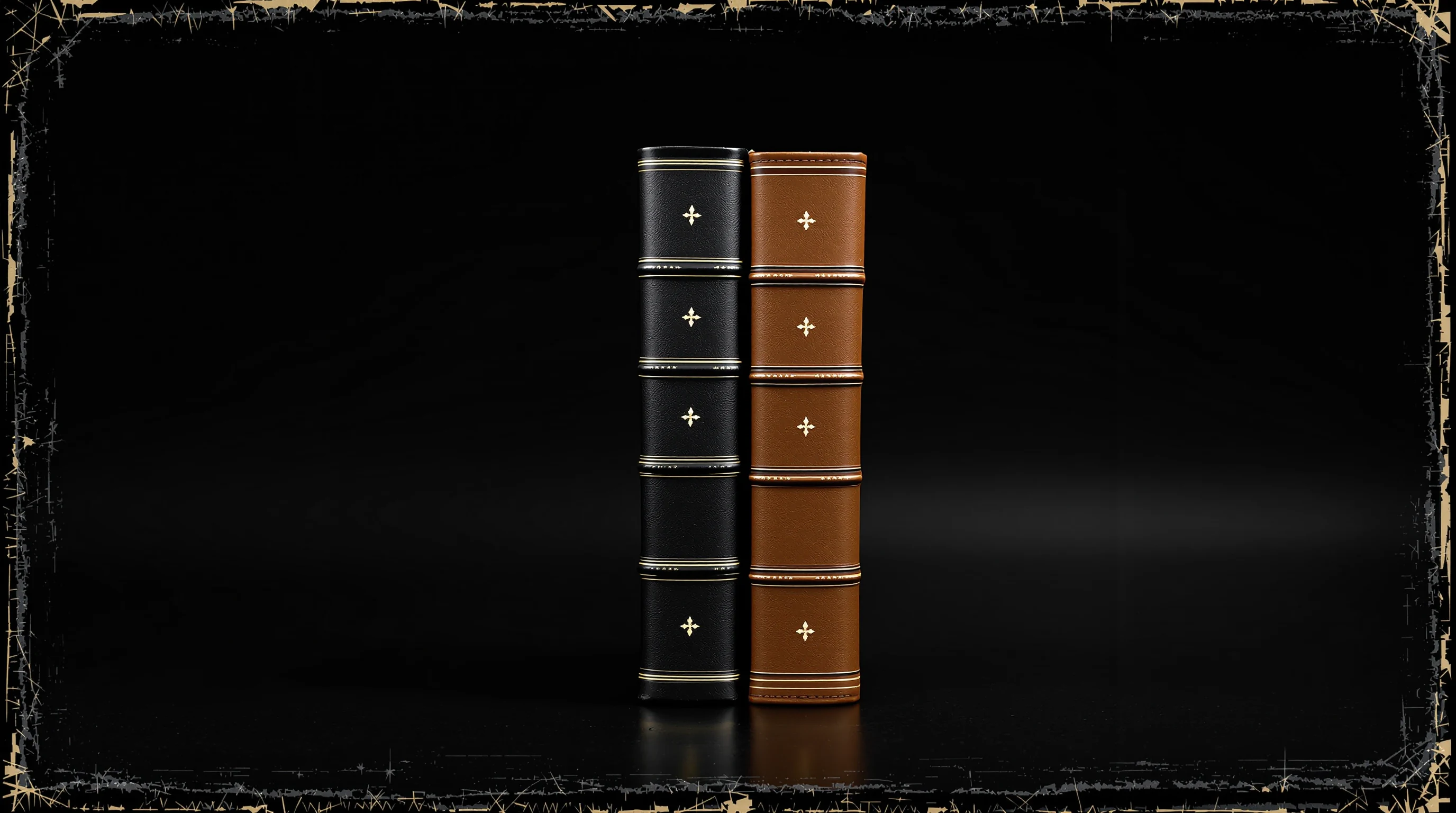
Jefferson's two books
Jefferson bound law and literature in two commonplace books, and the split keeps professional recollection from becoming the only recollection.
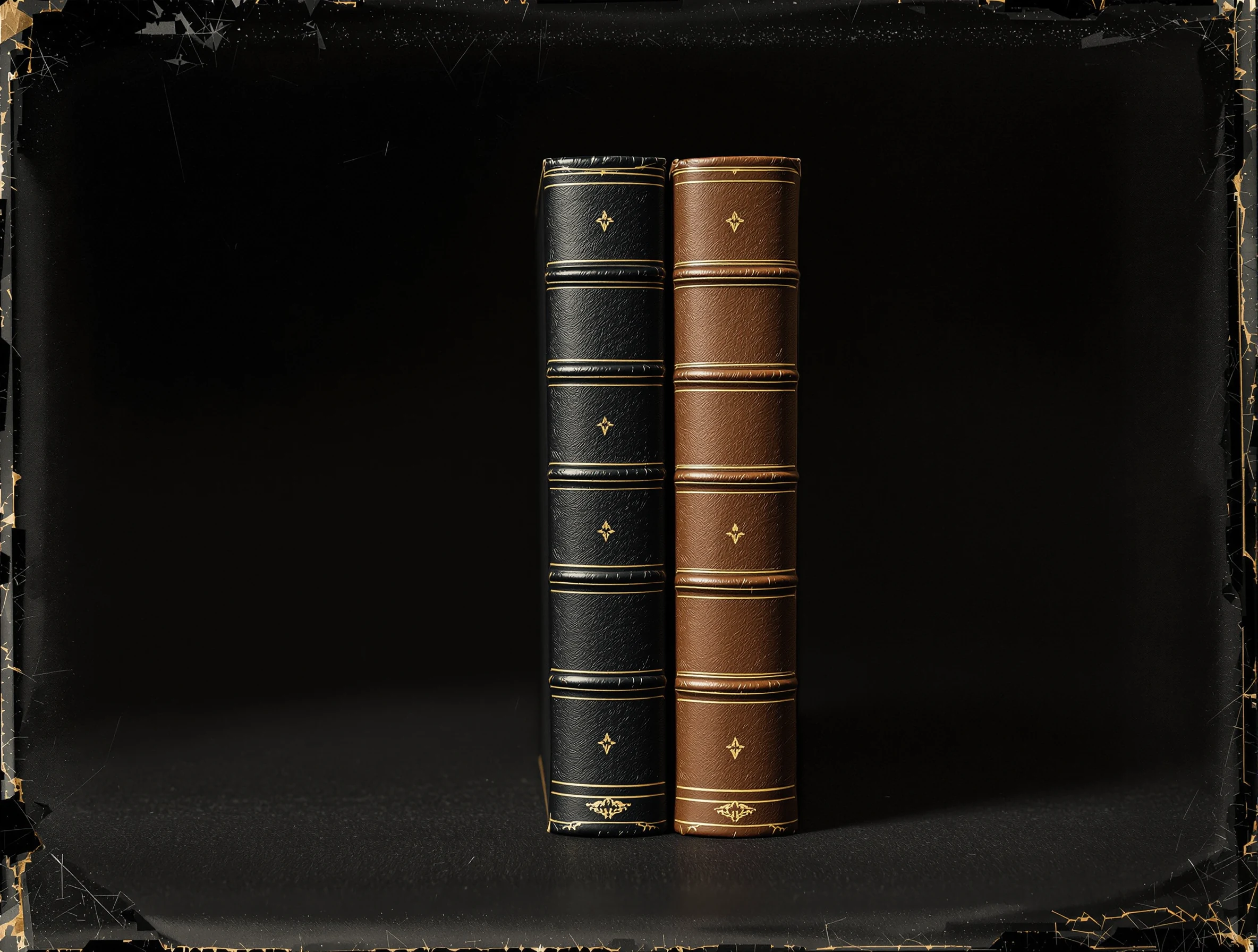
Jefferson did not keep one commonplace book with two headings. He kept two bound volumes. The Library of Congress still holds them as Series 5 of the Thomas Jefferson Papers: a legal commonplace book dated 1762-1767, and a literary commonplace book dated 1758-1772. The catalogue is plain about what each contains. The legal volume has notes and extracts on important legal cases and precedents, and an alphabetical list of legal terms at the back. The literary volume has copied extracts from literary works, mostly poetry, and philosophy, some in Greek. The keeping of commonplace books was common practice in the eighteenth century. These two, the catalogue says, are among the earliest surviving records of Jefferson's thought. The split is the thought.
A single book would have forced every item to live under the same test. The legal volume is a repertory. Gilbert Chinard, printing it in 1926 from the manuscript in the Library of Congress, describes 158 leaves written on both sides in a small compact hand, some thirty-five lines to the page. The first five hundred fifty-six articles abstract cases from Andrews, Raymond, Salkeld, and Coke: wills, devises, trespass, debts, leases, libels, the daily work of a colonial lawyer. Open the early leaves and the method is already there. Items are numbered. Each is a rule plus the citations that will find it again. This is recollection built for use. Jefferson said as much half a century later. Writing to Thomas Cooper on 10 February 1814, he promised a sample from the book he had kept as a student of the law. After Coke upon Littleton, "whose matter cannot be abridged," he was "in the habit of abridging and commonplacing what I read meriting it, and of sometimes mixing my own reflections on the subject."
The literary volume is the other habit. Chinard printed that one in 1928 as The Literary Bible of Thomas Jefferson, and said the two books together could be called Jefferson self-revealed. It is not a second digest of cases. From Homer, as Chinard reports the item Jefferson collected, the young keeper took the stoic couplet in Pope's English: "To labour is the lot of man below / And when Jove gave us life, he gave us woe." That item will not construe a statute. It will not win a motion. It belongs in a different book so the first book can stay a tool.
The split is not a wall. When the legal volume moves past the reports, Jefferson copies Lord Kames on the history of the criminal law. Mutual defence against a more powerful neighbor, the item runs, was in early times the chief or sole motive for joining in society, and individuals "never thought of surrendering any of their natural rights which could be retained consistently with their great aim of mutual defence." Chinard prints it as Jefferson wrote it. Philosophy is allowed into the law book as talk-back, as a note beside the reports. It is not allowed to become the law book's business. A few leaves into the literary manuscript the traffic runs the other way: long items from Bolingbroke, cited by essay and section. Those items have citations too. They are collected. They are not filed with wills and trespass.
What the split does is keep two kinds of recollection from having to answer for each other. The legal book can stay numbered, citable, ready for the General Court. The literary book can stay a moral shelter, the place where a young keeper copies Homer and Bolingbroke because the mind that prepares for the bar is not the only mind he intends to have. One binding is for use. The other is for the life that use cannot spend.
You may also like
The letter
Read issue 1. Ten we kept this week, and how to keep your own. Or start with how to keep.